
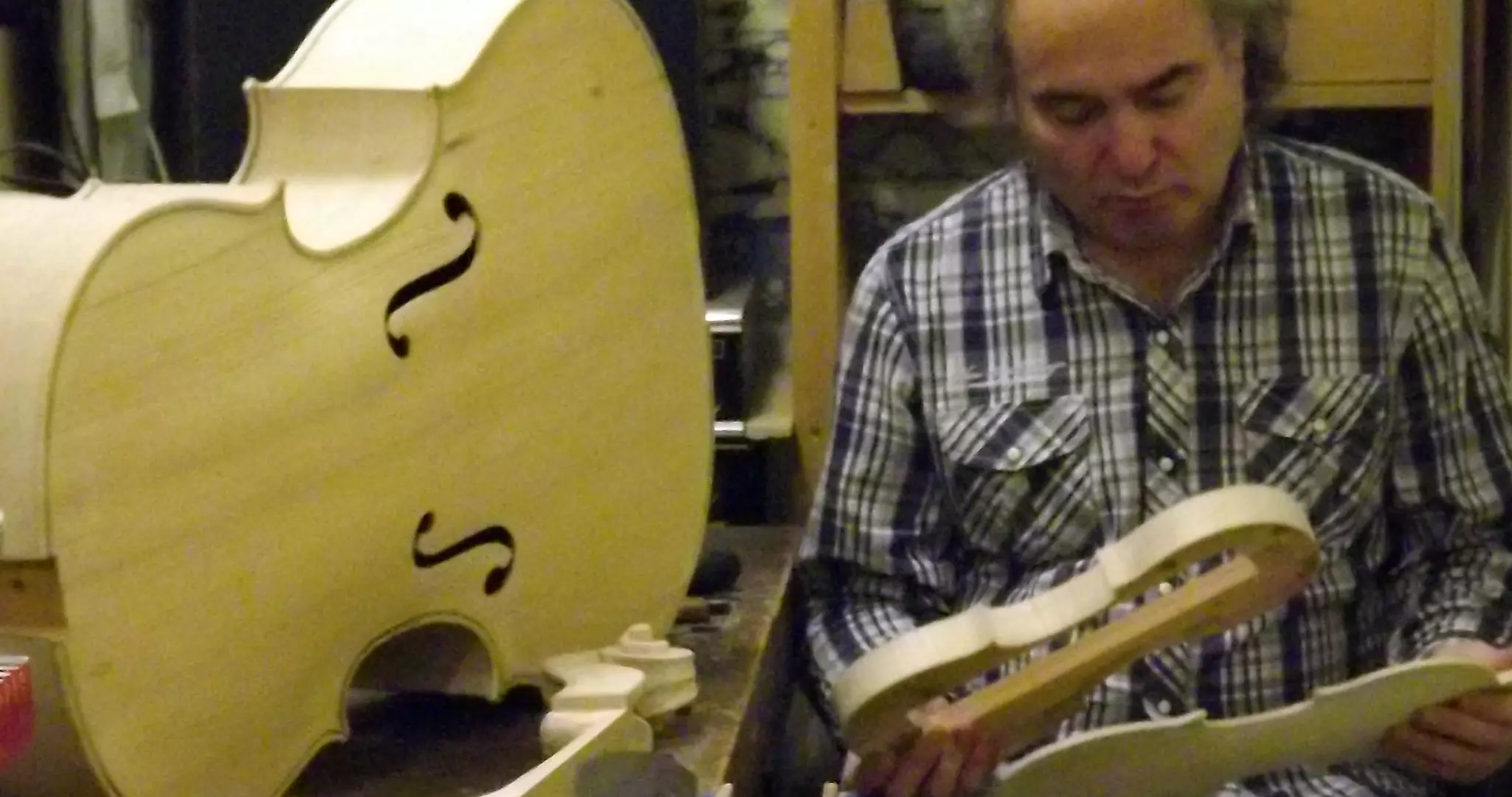
Here, I would like to address the issue of instrument maintenance, which is relevant across all levels of playing—from school to professional. Many musicians have an inexplicable fear of potential damage to their instruments, especially cracks, fractures, and breakage. For some, this fear is so strong that they won’t even replace the strings themselves, let alone perform more complex tasks. In my opinion, a player must overcome such fears, precisely because everything on the instrument is repairable. Whenever I have the opportunity to say this, I use it to the fullest to dispel the myth of the instrument’s untouchability and make everything feel more approachable and acceptable than before. Since such myths usually arise from ignorance, I will try here to bring the violin and its relatives closer to those who play them.
Starting from the beginning—from the first steps in playing—it is essential to teach a child to regularly wipe their instrument after playing to remove rosin and to always loosen the bow hair, so they develop habits they’ll use in the future. As they grow older, they should begin tuning the instrument themselves and eventually learn to change strings and perform similar tasks. This is something every musician must know and do without fear of damaging the instrument.
As players mature, other issues will arise, which I’ll address later. These can also be resolved independently or at least attempted before visiting a professional. In my opinion, the parts that anyone can try to adjust themselves include:
- Bridge
- Pegs
- Fingerboard
- Tailpiece
- Bow
Bridge
During playing, in addition to producing sound, vibrations occur—more or less depending on the instrument’s quality, size, and various forces acting on the body and the entire instrument. These vibrations can gradually cause the bridge to shift slightly from its position, and string tension can bend it, usually in the direction of the string pull. This issue is resolved by carefully pushing the top of the bridge back into place, with great caution to avoid breaking it. It’s also essential to check the bridge’s position before each session, as early detection of irregularities prevents further deformation.
Pegs
As with the bridge, pegs undergo minor changes due to daily use. These manifest as either slipping or sticking. In the first case, the problematic peg should be removed, cleaned with medical alcohol or benzine to remove grease and buildup, and returned to its place. This usually resolves the issue, but if it persists, repeat the process. If slipping is minor but still affects tuning, rubbing the peg with white chalk can temporarily improve grip. If the peg sticks, the situation is more serious, as it can lead to cracking of the pegbox and serious damage to the scroll. In this case, remove the peg and apply special peg chalk or graphite if chalk is unavailable. In both slipping and sticking cases, avoid over-applying substances, as this can cause the opposite effect.
Fingerboard
The fingerboard enables “comfortable” playing, meaning its condition supports or hinders that comfort. During playing, grooves form from pressing strings with fingers. The deeper the grooves, the more tone problems arise, eventually making it impossible to produce a clean sound—only squeaks or scratches. This issue is resolved by leveling the fingerboard to remove grooves. This process can be repeated several times depending on the fingerboard’s thickness. When it can no longer be leveled, a new fingerboard must be installed.
Tailpiece
This part generally doesn’t present major issues, except for the fine tuners and the loop that attaches it to the instrument. Fine tuners and loops are easy to install and remove. Loops can break due to wear and tear and come in various materials—gut, steel, or plastic. Plastic ones are most commonly used and easily replaced, even by a novice, as a temporary fix until a professional adjusts the tailpiece’s distance from the bridge, which affects tone quality and depends on loop length.
Bow
Although not part of the instrument itself, the bow is an essential accessory—without it, there’s no playing. Therefore, it requires special care. Regular string replacement, usually done by professionals, is part of periodic bow maintenance and is recommended every six months, or sooner depending on wear. Worn strings lose grip on the instrument’s strings and require frequent rosin application to improve tone. Bow hair is made from horsehair and is irreplaceable. Attempts to use synthetic alternatives have failed, as it’s impossible to replicate the microscopic saw-like teeth of real hair. These teeth wear down with use and eventually disappear, requiring string replacement. The only thing players can do themselves to delay replacement is to wash the hair with hot water and shampoo—like washing hair—but this is only a temporary fix lasting a few weeks.
As for the bow stick, maintenance involves regular wiping to remove rosin and occasional cleaning with the same products used for the instrument. It’s also good to check the screw that tightens the hair and lubricate it if needed.
Conclusion
Finally, I want to emphasize daily care and occasional cleaning of the instrument. I don’t recommend doing this yourself, as using improper products can seriously damage the varnish. If you still want to try, use only verified and known cleaning products to minimize the risk. Always test the product on a small area to ensure the varnish’s resistance before cleaning the entire instrument. Use a soft, gentle cotton cloth and first check for cracks in the wood to prevent dirt and grease from entering and complicating future repairs. Never use alcohol, acetone, or similar aggressive substances, as they can cause permanent and irreparable damage to the varnish.